
Rat Infestation Dangers in Houston 
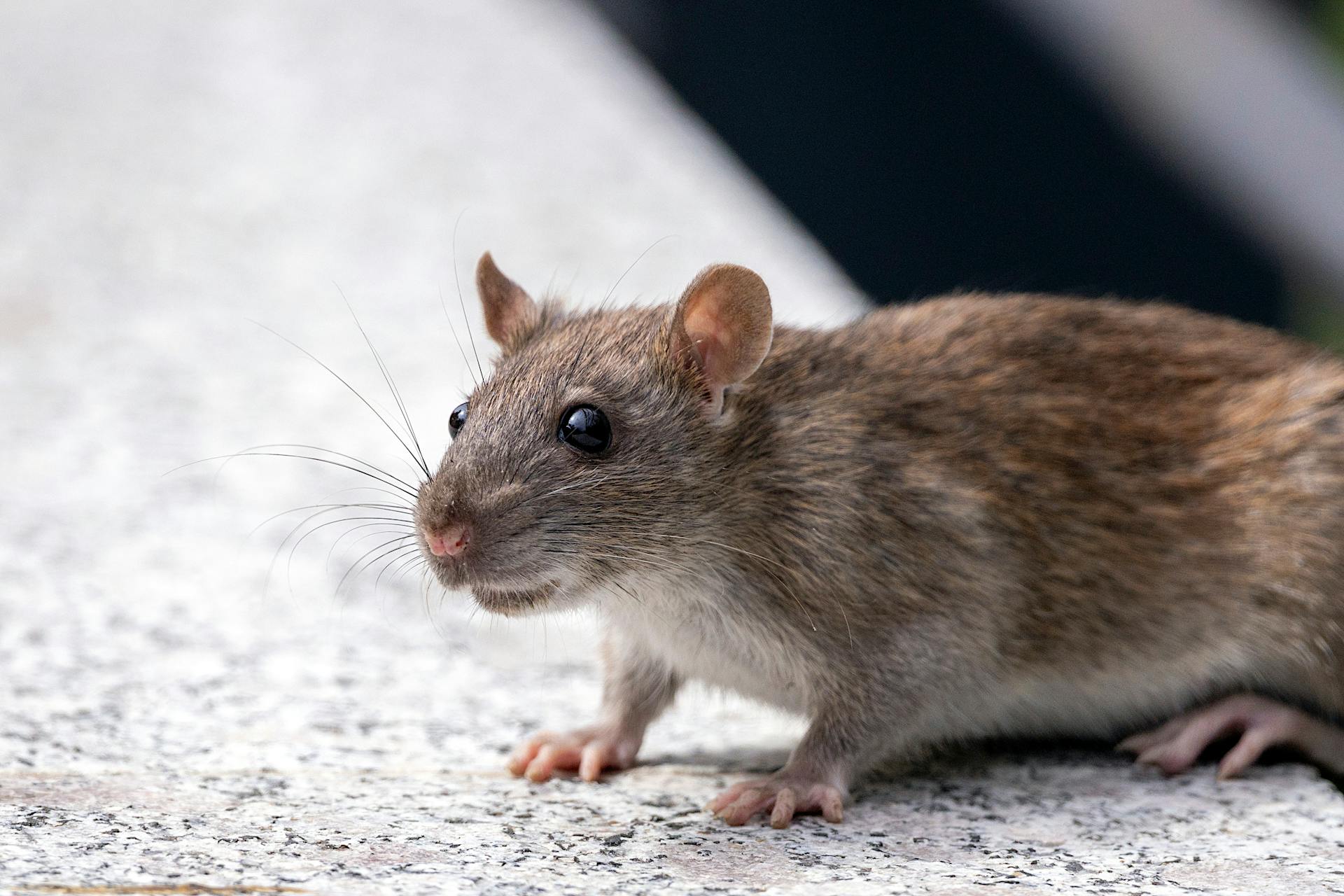
Houston Rat Infestation Key Points
- Rat infestations can expose people to droppings, urine, saliva, nesting material, contaminated food, damaged attic insulation, and hidden wall activity.
- Hantavirus is a major concern right now because rodent droppings, urine, saliva, and nesting materials can become dangerous when disturbed during improper cleanup.
- Other health concerns linked to rodents include leptospirosis, rat bite fever, salmonellosis, lymphocytic choriomeningitis, parasites, and bacteria from contaminated food or surfaces.
- Children, pets, seniors, pregnant people, and anyone with a weakened immune system need extra caution around rodent waste, contaminated food, dead rodents, and attic spaces.
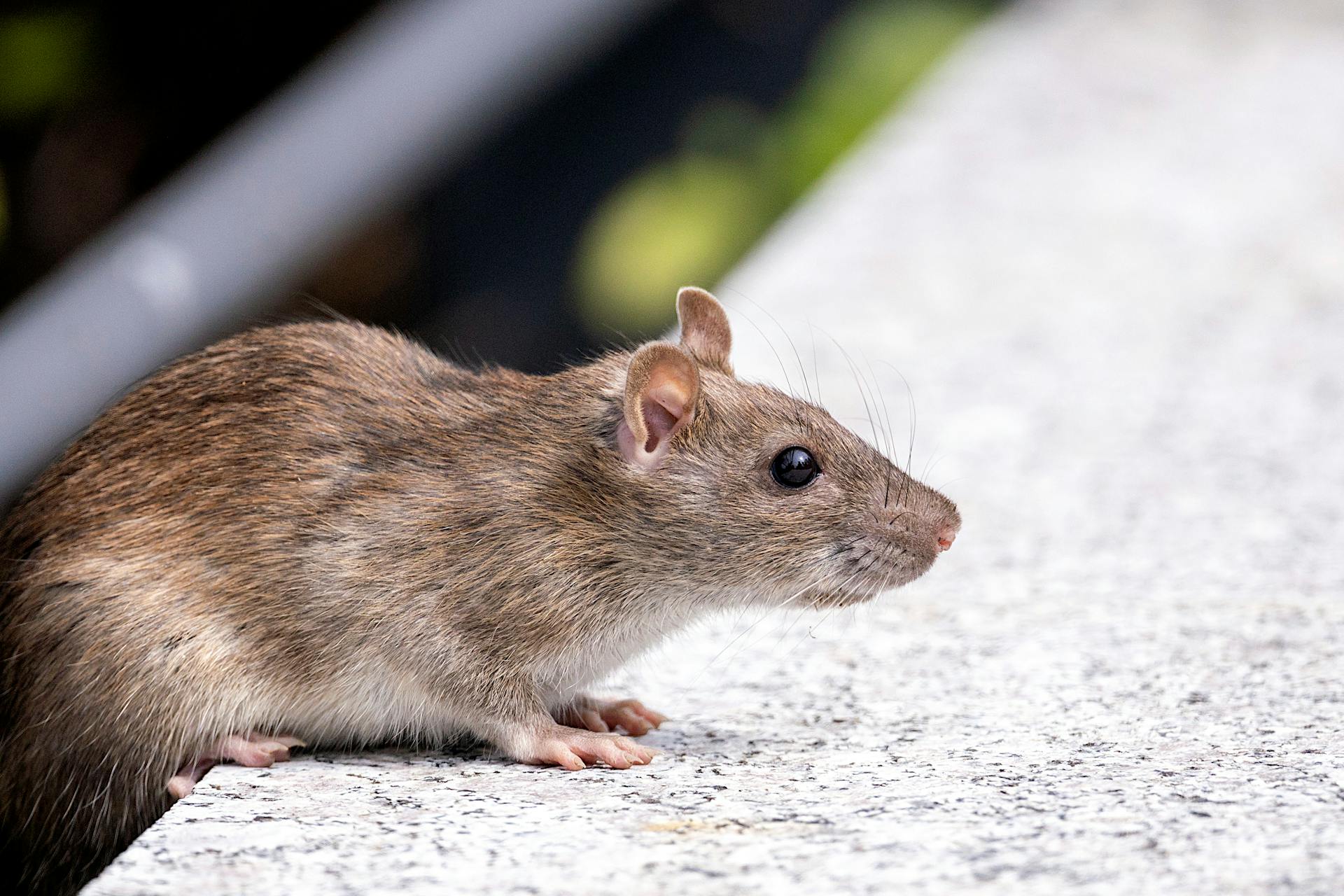
- Houston properties commonly deal with roof rats, Norway rats, and house mice. Roof rats are often found in attics and walls, while Norway rats are more common near foundations, trash areas, and commercial spaces.
- Restaurants, warehouses, commercial kitchens, food storage facilities, and retail spaces need fast rodent control because rats can contaminate food, damage inventory, and create inspection problems.
- In Houston, simple rat control or trapping can start around $250, while complete rodent removal jobs often fall in the $381 to $1,370 range. Rodent exclusion alone commonly runs about $430 to $1,300.
- On Point offers free rat and rodent inspections for Houston area homes and businesses.
A rat infestation is more than a scratching sound in the attic or a few droppings under the sink. Rats can contaminate kitchens, pantries, attic insulation, restaurant prep areas, warehouse inventory, storage rooms, wall voids, garages, and food handling spaces with droppings, urine, saliva, hair, nesting material, and bacteria.
With hantavirus getting more attention, Houston homeowners and business owners should take rodent contamination seriously. The biggest concern is not just seeing a rat. The bigger risk can come from disturbing dry rodent droppings, urine, saliva, nests, or dust in contaminated areas.
On Point Pest and Environmental Services provides rat removal in Houston, rodent control, rodent exclusion, attic rodent cleanup recommendations, and commercial rodent inspections across Houston, Spring, Cypress, Katy, Tomball, Conroe, Pearland, Richmond, Fulshear, Rosharon, The Woodlands, Humble, Porter, New Caney, Atascocita, Memorial, Bellaire, River Oaks, and nearby areas. Call (281) 323-2863 for a free rat inspection.
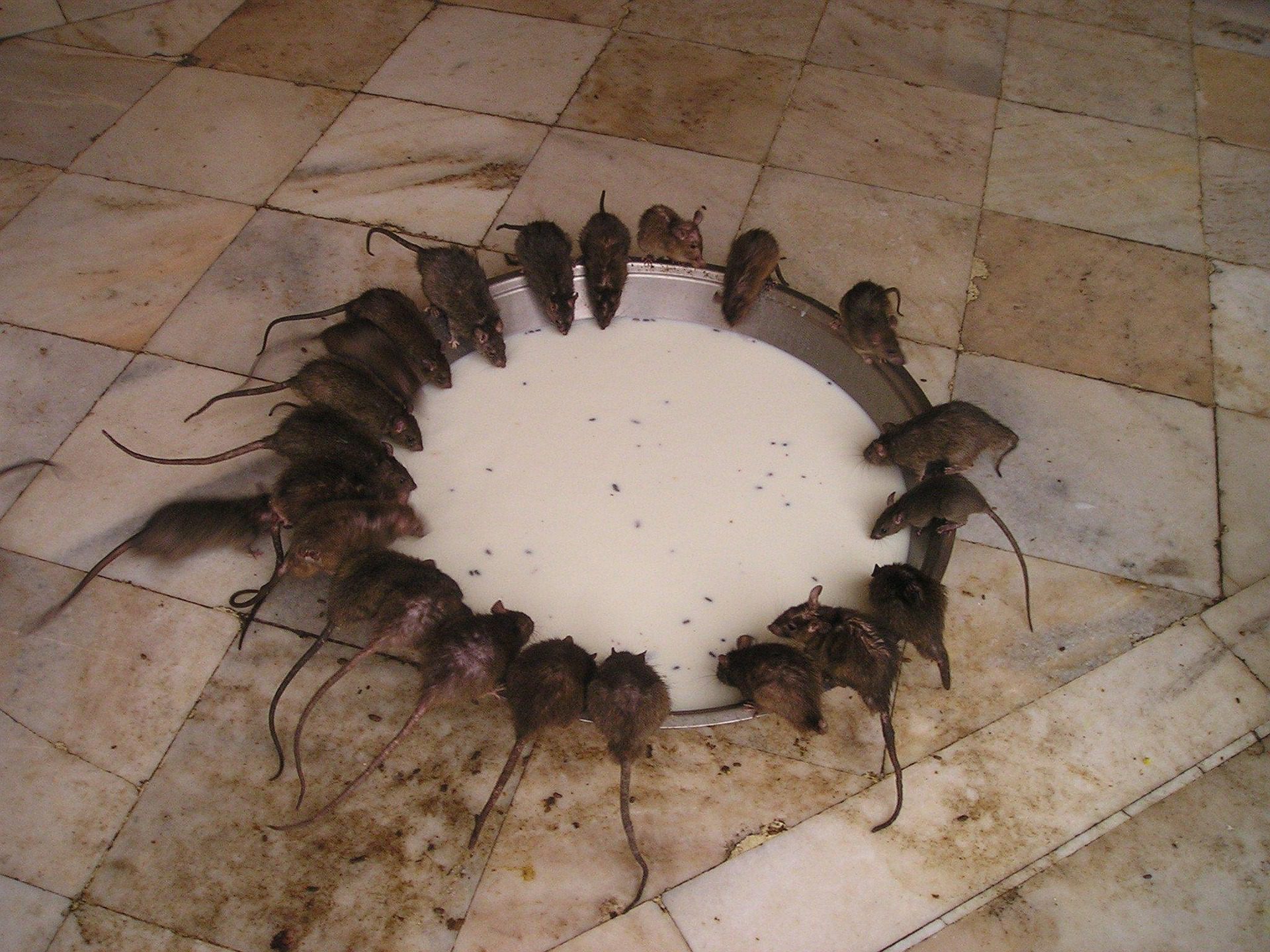
Why Hantavirus Is the Rat Infestation Concern People Are Asking About Right Now
Hantavirus is one of the biggest reasons Houston homeowners are taking rat droppings, attic contamination, and rodent cleanup more seriously. The concern is not just seeing a rat. The danger can come from rodent urine, droppings, saliva, and nesting materials left behind in attics, garages, kitchens, pantries, storage areas, and wall voids.
The biggest mistake is trying to clean dry rat droppings with a broom, shop vac, or household vacuum. Dry sweeping and vacuuming can stir contaminated particles into the air. If you find rat droppings, urine stains, nests, or dead rodents, keep kids and pets away from the area and schedule a rodent inspection before disturbing the contamination.
Other Health Concerns Linked to Rats, Droppings, Urine, and Contaminated Food
Hantavirus is the health risk getting attention, but it is not the only concern. Rodents can also be associated with leptospirosis, rat bite fever, salmonellosis, lymphocytic choriomeningitis, parasites, and bacteria carried through droppings, urine, saliva, nesting material, bites, scratches, and contaminated surfaces.
Rat urine can contaminate insulation, storage boxes, flooring, pantry shelves, food packaging, restaurant prep areas, warehouse inventory, and water exposed to rodent activity. Rat droppings can contaminate attics, walls, kitchens, drawers, cabinets, closets, garages, warehouses, and food storage areas. If rodents have touched food packaging or prep surfaces, the food should be treated as contaminated.
Children, pets, seniors, pregnant people, and anyone with a weakened immune system need extra caution because they may be more vulnerable to exposure or may come into contact with contaminated areas without realizing it.
Signs of a Rat Infestation in a Houston Home or Business
Rat infestations are often noticed after the rodents have already been active for days or weeks. The most common signs include scratching in walls or ceilings, movement in the attic, droppings in cabinets or pantries, greasy rub marks along walls, gnaw marks, chewed packaging, urine odor, damaged insulation, nests, and pets acting alert near walls or appliances.
In businesses, warning signs may show up near dumpsters, loading docks, kitchens, dry storage rooms, breakrooms, warehouse racking, utility rooms, floor drains, garage doors, and exterior walls. Restaurants and warehouses should treat rat signs as urgent because rodents can contaminate food, packaging, equipment, and inventory. On Point provides commercial pest control in Houston for businesses that need rodent inspection, control, and prevention support.
- Rat droppings in cabinets, drawers, pantries, attics, garages, or warehouse storage areas
- Scratching, chewing, or running sounds in walls, ceilings, or attic spaces
- Gnaw marks on food packaging, wires, wood, drywall, vents, or storage boxes
- Greasy rub marks along walls, beams, pipes, or entry points
- Strong urine odor or stale odor in enclosed areas
- Nesting material made from insulation, paper, fabric, or food debris
- Burrows, roof gaps, utility openings, damaged vents, or garage door gaps
- Food contamination in kitchens, restaurants, pantries, or warehouses
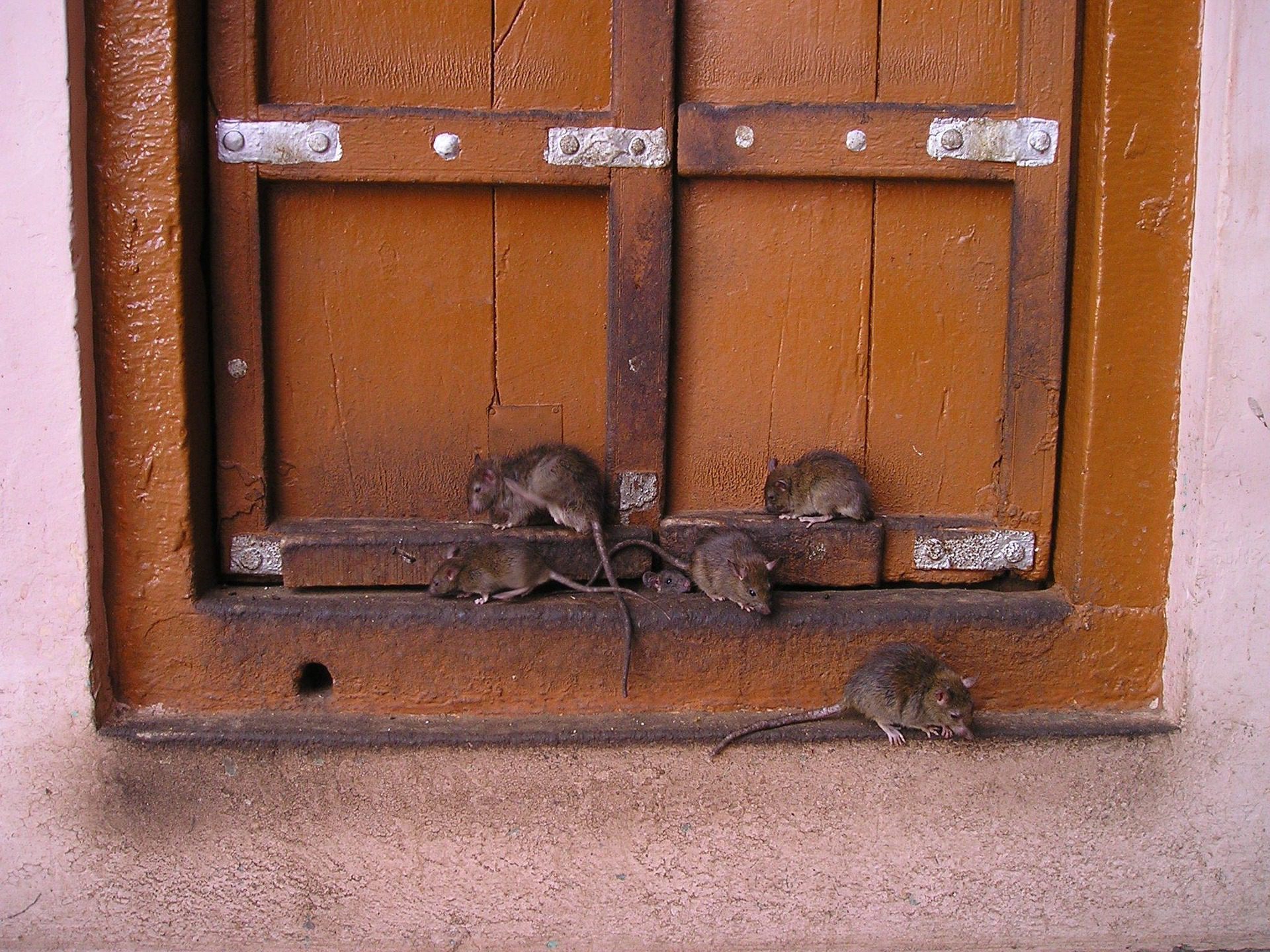
Houston Rat Species Commonly Found in Homes and Businesses
Houston properties commonly deal with roof rats, Norway rats, and house mice. Roof rats are strong climbers and are often connected with attics, rooflines, trees, fences, power lines, double walls, and upper structure access points. These are the rodents homeowners often hear running or scratching above the ceiling.
Norway rats are larger and often stay closer to ground level. They are commonly associated with burrows, foundations, trash areas, dumpster pads, warehouses, restaurants, loading docks, lower walls, garages, and commercial storage areas. House mice can also contaminate food areas, storage spaces, and wall voids.
Rat Droppings in the Attic, Walls, Kitchen, or Pantry
Rat droppings in the attic may point to roof rats nesting above the ceiling, moving through wall voids, or using insulation as nesting material. Droppings in the kitchen, pantry, cabinet, restaurant prep area, or warehouse are even more urgent because they may involve food contamination.
If rats have touched food packaging, counters, stored grains, pet food, commercial food inventory, or cooking surfaces, the affected items and areas should be treated as contaminated. This is especially important in homes with children or pets and in businesses that prepare, store, or serve food.
What Attracts Rats to Houston Properties?
Rats are attracted to food, water, shelter, warmth, and safe nesting areas. Around homes, that may include pet food, bird seed, trash cans, pantry food, fruit trees, cluttered garages, open crawlspaces, roof gaps, and overgrown landscaping.
Around businesses, the biggest attractants are restaurant dumpsters, grease waste, food deliveries, loading docks, warehouse storage, broken door sweeps, open trash areas, food debris, employee breakrooms, and storage areas with easy hiding places.
Rat Damage to Wiring, Insulation, Ductwork, Walls, and Food Storage
Rats can chew wiring, insulation, ductwork, wood, drywall, stored items, and food packaging. In attics, they can damage insulation with droppings, urine, nesting material, and repeated movement. In walls, they can create noise, odor, and hidden contamination. In kitchens and businesses, they can contaminate food surfaces and inventory.
If rats are active in the attic or walls, removal should be paired with exclusion and cleanup recommendations. If rats have contaminated insulation or left widespread droppings and urine, attic remediation may be needed after the rodent issue is controlled.
Rat Infestation Risks for Restaurants, Warehouses, and Commercial Properties
Rat infestations can create serious problems for commercial properties. Restaurants, warehouses, retail spaces, food storage facilities, commercial kitchens, offices, multifamily buildings, and industrial sites may face food contamination, product loss, damaged inventory, employee concerns, tenant complaints, failed inspections, and reputation damage.
Commercial rat control needs to be more than a one time trap setup. A business usually needs a full inspection, rodent pressure assessment, entry point review, sanitation recommendations, exclusion strategy, monitoring plan, and documentation of corrective actions.
What To Do If You Were Exposed to Rat Droppings, Urine, or Contaminated Food
If you touched rat droppings, urine, nesting material, a dead rodent, or food that may have been contaminated, wash your hands thoroughly and avoid touching your eyes, nose, or mouth. Keep children and pets away from the area. Do not sweep, vacuum, or disturb more droppings until the area is handled safely.
If the exposure involved a bite, scratch, broken skin, contaminated food, heavy droppings, attic contamination, or symptoms after exposure, contact a healthcare provider. Pest control can inspect and remove the rodent problem, but medical concerns should be handled by a healthcare professional.
- Do not sweep or vacuum dry droppings.
- Do not touch droppings, urine, nests, or dead rodents with bare hands.
- Keep kids, pets, and vulnerable family members away from the area.
- Discard food that may have been touched or contaminated by rodents.
- Wash hands thoroughly after any possible contact.
- Call a healthcare provider for bites, scratches, symptoms, or direct exposure concerns.
- Schedule a rodent inspection if droppings are active, widespread, or located in an attic, kitchen, wall void, restaurant, or warehouse.
Why a Rodent Inspection Matters Before Cleanup or Sealing
A rodent inspection helps answer the questions that matter most. Are the rats still active? Where are they entering? Are they in the attic, walls, kitchen, garage, or commercial storage area? Is there contamination? Are there multiple entry points? Is exclusion needed? Does the attic need cleanup or insulation remediation?
Without an inspection, it is easy to clean the wrong area, seal the wrong gap, miss a second entry point, or leave contaminated insulation behind. Trapping alone may remove some rats, but it does not solve the problem if food sources, entry points, or nesting areas remain.
How Much Does Rat Removal Cost in Houston?
In Houston, simple rat control or trapping can start around $250. More complete rodent removal jobs often fall in the $381 to $1,370 range depending on the size of the infestation, the number of entry points, attic contamination, and whether exclusion work is needed.
If the job also includes sealing openings, rodent exclusion alone commonly runs about $430 to $1,300. Costs can increase when rats have contaminated attic insulation, damaged ducts, chewed wiring, entered a commercial food area, or created sanitation concerns that require cleanup or remediation recommendations.
Our Houston Rat Removal and Exclusion Process
We use a practical step by step process designed to identify rat activity, remove the rodents, close entry points, and help reduce health and property risks.
Free Rat Inspection
We inspect attics, walls, garages, kitchens, pantries, exterior gaps, rooflines, utility openings, dumpsters, loading areas, and visible rodent entry points.
Rodent Control Plan
Based on the inspection, we recommend trapping, rodent control, monitoring, sanitation guidance, and cleanup recommendations when needed.
Rodent Exclusion
We identify and seal active entry points around rooflines, vents, garage gaps, utility penetrations, siding gaps, crawlspaces, and lower level access points.
Cleanup and Prevention
If droppings, urine, nesting material, food contamination, odor, or insulation damage are found, we explain cleanup, sanitizing, and prevention recommendations clearly.
Houston Rat Infestation Danger FAQs
Why is hantavirus a concern with rat infestations?
What diseases are associated with rats and rodent waste?
Can rat droppings make you sick?
Can rat urine be dangerous?
Are rats dangerous for children, pets, and seniors?
What should I do if I touched rat droppings or urine?
What are the signs of a rat infestation?
What types of rats are common in Houston homes?
Can rats contaminate food in the kitchen?
How much does rat removal cost in Houston?
Why should I schedule a rodent inspection?
Need Rat Removal in Houston?
If you are seeing droppings, hearing scratching in the attic, or worried about hantavirus exposure, call On Point Pest and Environmental Services for a free rat inspection and a clear next step.
Call Now: (281) 323-2863
Service Areas for Houston Rat Removal
On Point provides rat removal, rodent control, rodent exclusion, attic rodent inspections, and commercial rodent control across the Houston area and surrounding communities. That includes homes and businesses in Houston, Spring, Cypress, Katy, Tomball, Conroe, Pearland, Richmond, Fulshear, Rosharon, The Woodlands, Humble, Porter, New Caney, Atascocita, Memorial, Bellaire, and River Oaks.

Joe McDaniel
Owner, On Point Pest and Environmental Services
Joe McDaniel brings 35 years of field experience to pest control and rodent issues in the Houston area. He is ACE Certified and writes from hands on experience helping local homeowners and businesses deal with rat infestations, rodent exclusion, attic contamination, and structural pest problems.