
Houston Raccoon Removal and When To Get Help
Houston Raccoon Removal Key Points
- In Houston, basic raccoon removal usually runs about $249 to $356, while attic raccoon jobs with trapping, sealing, and disinfecting can average $1,000 to $3,500.
- Common signs include loud attic noises at night, raccoons on the roof or chimney, torn soffits, large tubular droppings, urine odor, damaged insulation, and baby raccoons in the attic.
- Raccoon feces, urine, bites, and scratches can create health concerns, including raccoon roundworm, leptospirosis, and possible rabies exposure.
- Raccoon exclusion is the long term fix because removal alone does not stop another raccoon, rat, mouse, squirrel, bird, or wildlife from using the same damaged opening.
If you hear heavy walking, thumping, scratching, or dragging sounds in the attic at night, you may be dealing with a raccoon. Raccoons are strong, intelligent wildlife animals that can tear into soffits, widen roofline gaps, enter attic spaces, and create serious damage once they find shelter inside a home or business.
Houston raccoon removal should not stop at getting the animal out. The real fix is identifying how the raccoon entered, checking for baby raccoons, inspecting attic contamination, sealing the entry point, and preventing the same wildlife issue from returning.
On Point Pest and Environmental Services provides wildlife removal in Houston, raccoon removal, humane raccoon control, raccoon exclusion, attic inspections, and attic remediation recommendations across the Houston area. Call (281) 323-2863 for a free raccoon inspection.
Why Raccoons in the Attic Are a Serious Problem
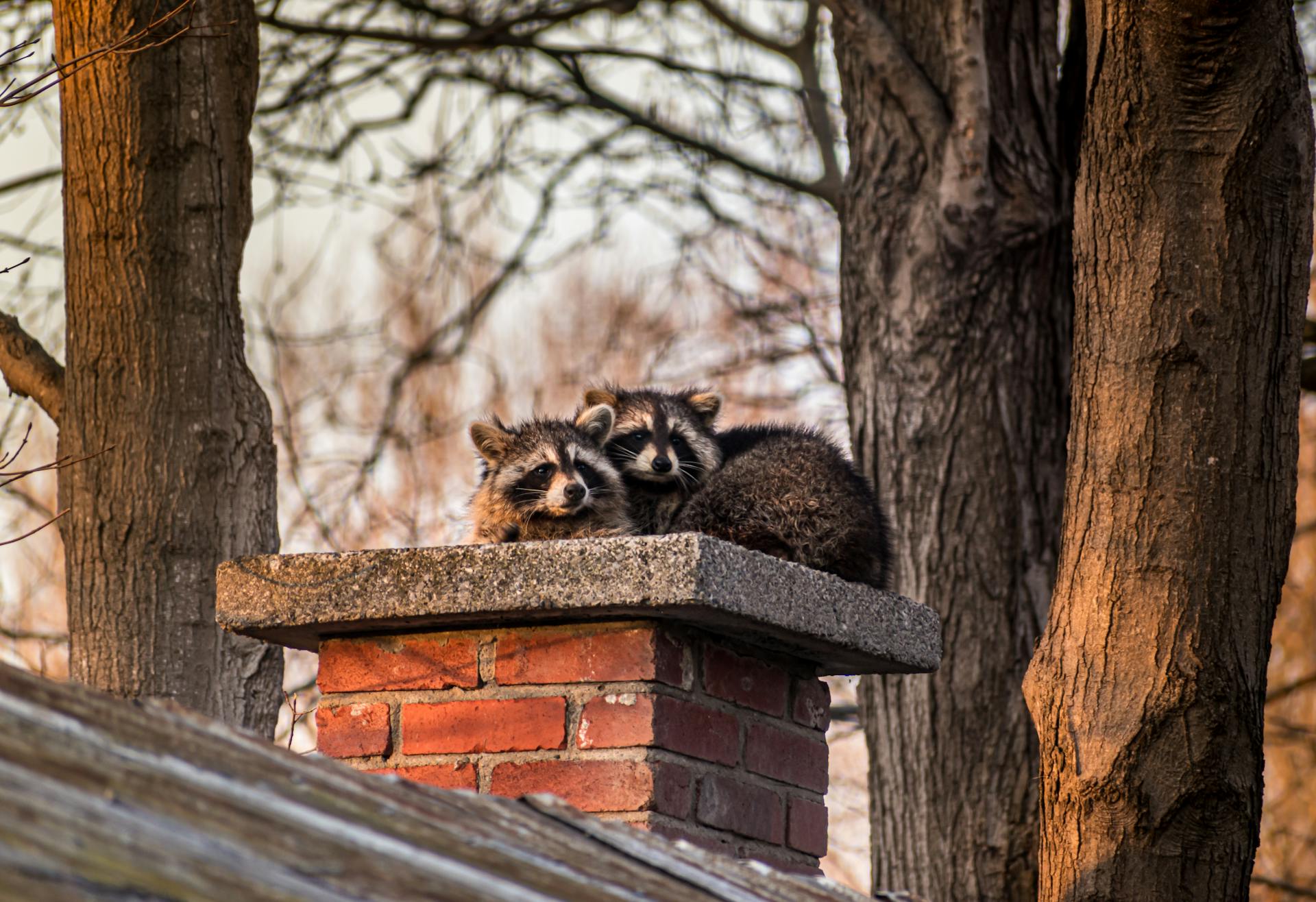
A raccoon in the attic is not a harmless visitor. Raccoons can tear insulation, damage air ducts, pull at wiring, crush attic materials, leave urine and feces behind, and create strong odor problems. They can also use the same entry point repeatedly if the opening is not sealed after removal.
The most common attic entry points include damaged soffits, fascia gaps, roof returns, vents, chimneys, loose siding, garage openings, and construction openings. Once a raccoon enters, the attic can become a denning site, especially when a female raccoon is looking for a protected place to raise young.
Humane Raccoon Removal Starts With an Inspection
Humane raccoon removal starts by finding where the raccoon is entering and confirming whether adults or babies are present. Removing or excluding a raccoon without checking for young animals can create a larger problem if babies are trapped inside the attic, wall, soffit, chimney area, or garage.
On Point inspects the roofline, attic, soffits, vents, chimney areas, damaged boards, insulation, and visible entry points before recommending the next step. The goal is to remove the raccoon safely, protect the structure, and prevent another raccoon from using the same access point.
How to Identify Raccoon Feces in an Attic, Garage, Roofline, or Yard
Raccoon feces are usually larger than rat, mouse, squirrel, or bat droppings. They are often dark, tubular, blunt-ended, and may contain visible food material such as seeds, berries, shells, or undigested debris. Raccoon droppings are often found in piles because raccoons commonly return to the same bathroom area, called a latrine.
Common raccoon latrine areas include attics, garages, decks, patios, rooflines, chimneys, woodpiles, tree bases, fallen logs, large rocks, and flat raised surfaces. In an attic, a latrine may look like a concentrated pile of large droppings with urine staining, matted insulation, and a strong pungent odor. The CDC’s raccoon latrine guidance describes raccoon feces as usually dark, tubular, and pungent, and identifies attics, garages, decks, patios, and raised surfaces as common latrine locations.
The problem is that you cannot tell whether raccoon feces contain roundworm eggs by looking at them. Raccoon roundworm eggs are microscopic. That is why raccoon feces should not be touched, swept, vacuumed, or disturbed without proper precautions.
What Does Raccoon Urine Smell Like?
Raccoon urine often creates a strong, stale, musky, ammonia-like odor, especially when it soaks into attic insulation, wood, drywall, stored boxes, or nesting material. If the smell is strongest near the attic access, ceiling, soffit, chimney wall, garage, or one corner of the attic, it may point to a denning area or latrine.
Urine contamination can become more serious when raccoons stay in the attic for more than a few days. The longer the animal remains, the more likely the attic may have feces, urine-stained insulation, nesting material, odor, flattened insulation, and moisture damage. In heavier cases, urine staining or odor may show through drywall below the attic.
Raccoon urine can also create health concerns. Leptospirosis is linked to urine from infected animals and contaminated water, soil, or surfaces. The CDC explains leptospirosis as a bacterial disease that can affect people and animals. If you have direct contact with urine-contaminated material and develop symptoms such as fever, chills, headache, muscle aches, vomiting, diarrhea, red eyes, jaundice, or severe fatigue, contact a healthcare provider.
Raccoon Droppings, Roundworm, and Attic Health Risks
Raccoon droppings are one of the biggest health concerns after a raccoon enters an attic, garage, shed, crawlspace, or commercial storage area. Raccoons often use repeated bathrooms, which can concentrate feces and increase the chance of contamination in one spot.
The main concern is raccoon roundworm, also known as Baylisascaris. According to the CDC’s raccoon roundworm guidance, eggs passed in raccoon feces are not immediately infectious, but they can become infectious in the environment after 2 to 4 weeks. Once infectious, contaminated feces, soil, insulation, dust, or materials should be handled carefully.
Children, pets, seniors, pregnant women, and anyone with a weakened immune system need extra caution around raccoon droppings. No one should touch, sweep, vacuum, or disturb raccoon feces without proper safety precautions. The CDC recommends prevention steps that include avoiding contact with raccoon feces and preventing raccoons from living near people.
What Are the Symptoms of Raccoon Roundworm Exposure?
Raccoon roundworm infection is rare, but it can be severe when larvae move through the brain, eyes, or organs. The risk is higher when a person accidentally swallows contaminated soil, dust, or material containing infective eggs from raccoon feces. Young children and pets are a major concern because they are more likely to touch contaminated areas and put hands, toys, or objects near their mouth.
The CDC lists raccoon roundworm symptoms that can range from mild to serious, including nausea, tiredness, loss of coordination, loss of muscle control, blindness, and coma. If a child, adult, or pet may have contacted or swallowed material contaminated with raccoon feces, contact a medical provider or veterinarian promptly.
Can Humans Get Rabies From Raccoons?
Raccoons can carry rabies, which is why homeowners should never attempt to grab, corner, feed, relocate, or remove a raccoon by hand. According to the CDC’s rabies overview, rabies affects the central nervous system and is nearly always fatal once symptoms begin.
Warning signs can include unusual aggression, stumbling, acting unusually tame, disorientation, drooling, or appearing sick. A raccoon acting strangely should be avoided. Keep pets away, do not approach the animal, and contact the appropriate wildlife or animal control resource if there is a bite, scratch, or direct exposure. CDC rabies prevention guidance says to wash bites or scratches immediately with soap and water and seek medical care urgently after possible exposure.
Is It a Raccoon, Rat, or Squirrel in the Attic?
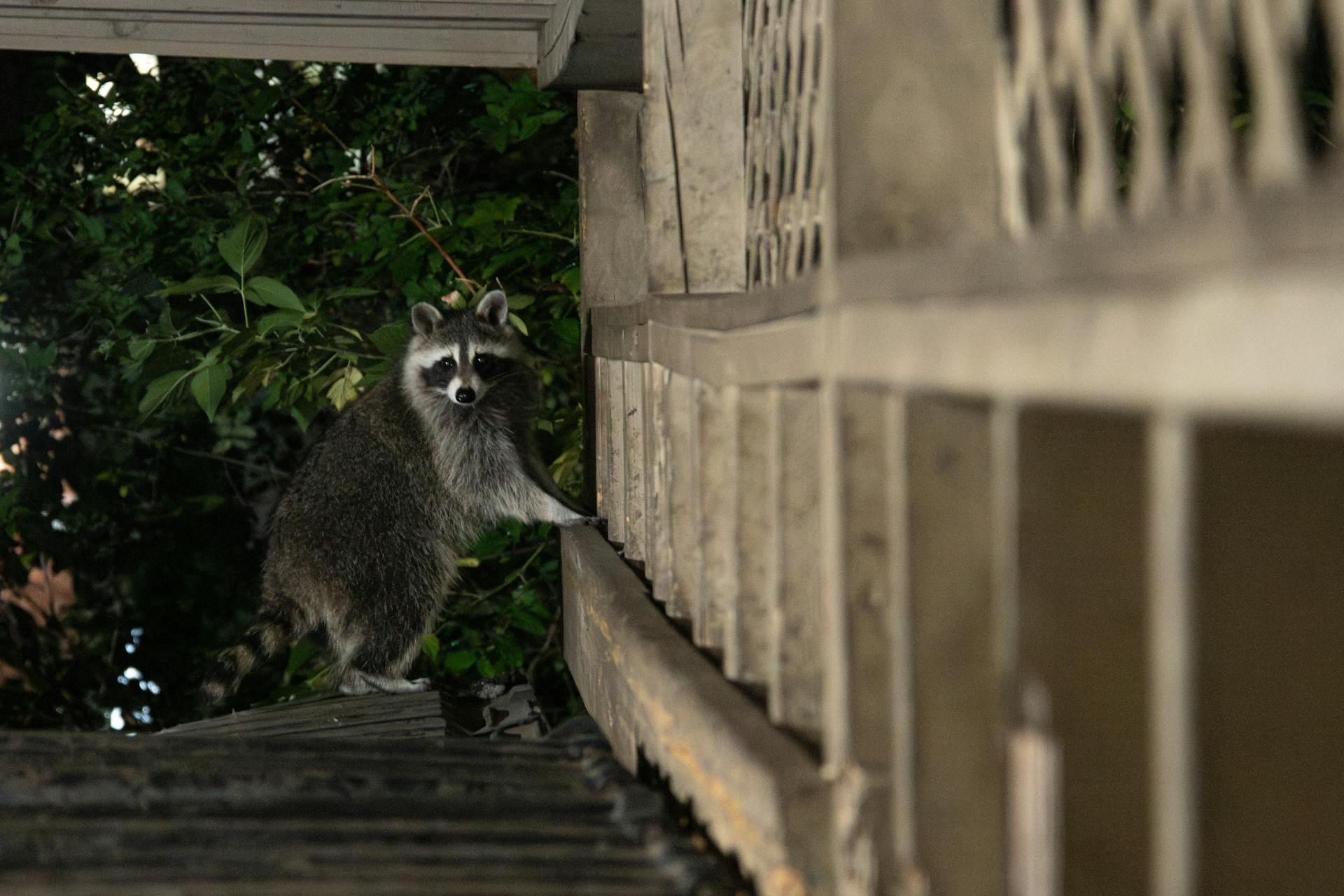
The sound pattern can help narrow down what is inside, but an inspection is the only reliable way to confirm the animal. Raccoons are heavier than rats and squirrels, so they often sound like loud walking, thumping, dragging, or banging at night. Squirrels are usually more active during the day and often make fast running or scratching sounds. Rats and mice can create lighter scratching, chewing, and wall movement sounds, often at night.
- Raccoon signs: loud thumping at night, large entry damage, torn soffits, heavy attic movement, large feces piles, urine odor, flattened insulation.
- Rat signs: smaller dark droppings, gnaw marks, scratching inside walls, food contamination, greasy rub marks, activity near pantry, kitchen, or garage.
- Squirrel signs: daytime running or scratching, roofline activity, chewed fascia or soffits, nesting material, smaller scattered droppings.
This matters because raccoons, rats, and squirrels require different removal and exclusion strategies. A raccoon can tear open a large soffit or roofline gap, while rats and mice can use much smaller openings around the same damaged area. That is why On Point also checks for Houston rat control concerns during wildlife inspections when droppings, gnaw marks, or wall activity are present.
Signs You May Have a Raccoon in the Attic
Raccoons are larger than rats, mice, squirrels, and most birds, so the noises are often heavier. Homeowners may hear loud walking, thumping, dragging, scratching, or banging sounds at night. They may also notice damaged soffits, torn vents, lifted shingles, loose fascia, insulation damage, or animal odor near the attic.
- Loud walking, thumping, or dragging sounds in the attic at night
- Scratching, clawing, or banging near the roofline or soffit
- Torn soffits, damaged vents, bent flashing, or loose fascia
- Large, dark, tubular droppings in the attic, yard, roof area, shed, or garage
- Strong urine, musk, or animal odor near the attic or wall void
- Insulation pulled apart, flattened, matted, or urine-stained
- Pets reacting to the ceiling, attic access, walls, garage, or exterior roofline
- Raccoons repeatedly seen near the same roof edge, tree, fence, chimney, or garage
Is It Safe to Clean Up Raccoon Poop Yourself?
Small outdoor areas may look simple, but raccoon feces are not the same as ordinary yard waste. The biggest concern is disturbing contaminated feces, soil, insulation, dust, or nesting material and exposing people or pets to roundworm eggs, bacteria, or urine contamination.
Inside an attic, garage, crawlspace, shed, commercial building, or HVAC area, cleanup should be handled with more caution. Raccoon latrines can involve repeated feces piles, urine-soaked insulation, odor, nesting material, and hidden contamination under or inside insulation. If the area has multiple droppings, urine odor, ceiling staining, damaged insulation, or active raccoon entry, schedule a wildlife inspection first.
- Do not sweep dry raccoon feces.
- Do not vacuum raccoon droppings or contaminated insulation.
- Do not let children or pets near the area.
- Do not seal the entry point until the raccoon and any babies are out.
- Do not assume old-looking feces are safe.
- Call a healthcare provider for bites, scratches, symptoms, or suspected ingestion exposure.
- Call a wildlife professional if you see droppings or part of a latrine.
How Much Does Raccoon Removal Cost in Houston?
In Houston, a basic raccoon removal job usually runs about $249 to $356 for a straightforward job. This may apply when the raccoon is accessible, the problem is limited, and there is no major attic contamination, structural damage, or complex exclusion work involved.
If a raccoon is in the attic and the job includes trapping, sealing entry points, and disinfecting, an average range is $1,000 to $3,500. Costs can increase when raccoons have torn up insulation, contaminated the attic, damaged ductwork, created odor problems, or forced a larger exclusion and attic remediation plan.
Why Raccoons Keep Coming Back After Removal
Raccoons return when the conditions that attracted them are still there. That may include an open soffit, damaged fascia, an uncapped chimney, weak roof returns, food sources, pet food, trash, bird seed, open garage access, fruit trees, or a safe denning area near the roofline.
Removal solves the immediate animal issue. Exclusion solves the access issue. Cleanup addresses contamination. Prevention reduces the attractants. A complete raccoon control plan should consider all four, especially if the raccoon has been in the attic, garage, chimney, or wall void.
Raccoon Exclusion Is What Stops the Problem From Coming Back
Raccoon removal gets the animal out. Raccoon exclusion helps keep raccoons from getting back in. Exclusion may include sealing roofline gaps, repairing soffits, screening vents, reinforcing fascia, securing chimney access, and closing other vulnerable openings.
This is especially important in Houston because wildlife pressure can be year round. Trees, fences, power lines, roof returns, nearby food sources, open trash, and damaged construction areas can give raccoons repeated access to the same property.
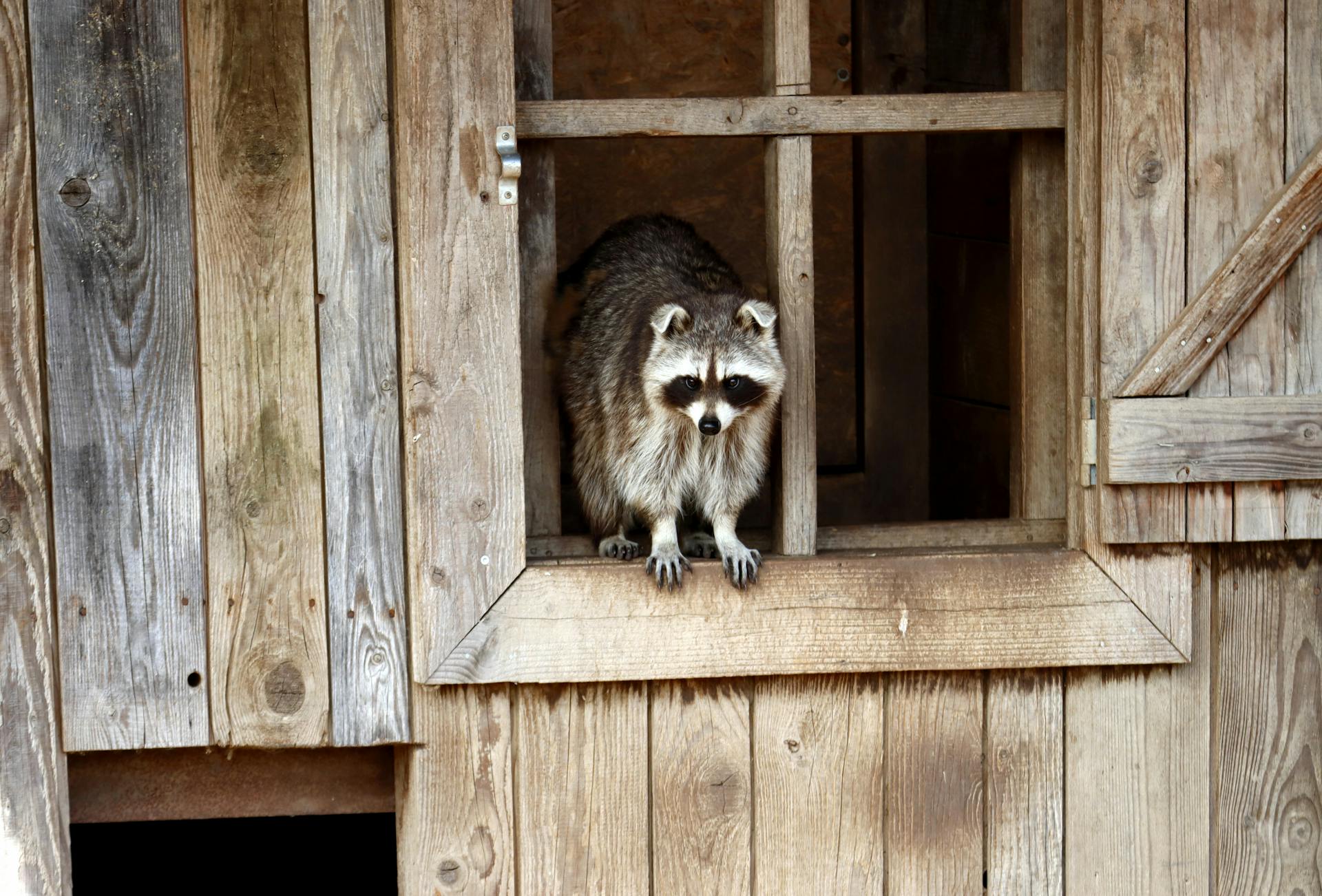
Raccoons, Rats, and Other Wildlife Can Use the Same Weak Points
Many Houston homes have roofline gaps, vent openings, garage gaps, utility penetrations, or damaged construction areas that can attract more than one pest. A raccoon may tear open a soffit, while rats, mice, squirrels, birds, or wildlife may later use smaller openings around the same vulnerable area.
That is why a wildlife inspection should also consider rodent pressure. If the attic has small droppings, gnaw marks, wall movement, or food contamination signs, On Point can also inspect for Houston rat control and rat removal needs during the same visit.
Raccoon Removal for Businesses and Commercial Properties
Raccoons can also create problems for restaurants, warehouses, offices, retail centers, multifamily buildings, schools, storage facilities, and commercial properties. They may enter roof spaces, dumpsters, loading areas, maintenance rooms, outdoor storage spaces, and wall voids.
Commercial raccoon problems need fast attention because wildlife activity can create odor, property damage, employee concerns, customer complaints, sanitation issues, and liability concerns. On Point provides commercial pest control in Houston for businesses that need inspection, exclusion, and prevention support.
Our Houston Raccoon Removal and Exclusion Process
We use a practical step by step process designed to remove raccoons safely, identify the entry point, and help prevent repeat wildlife problems.
Free Raccoon Inspection
We inspect the attic, roofline, soffits, fascia, vents, chimney areas, garage, wall voids, exterior entry points, droppings, urine odor, and visible damage.
Humane Removal Plan
We determine whether adult raccoons, baby raccoons, nesting activity, latrines, or attic contamination are present before removal begins.
Raccoon Exclusion
After removal, we seal active entry points and reinforce vulnerable roofline, soffit, fascia, vent, chimney, or exterior access areas.
Cleanup Recommendations
If droppings, urine, odor, damaged insulation, or nesting material are present, we explain attic remediation and cleanup options clearly.
Houston Raccoon Removal FAQs
How do I know if I have a raccoon in my attic?
How do I identify raccoon poop?
What does raccoon urine smell like?
How much does raccoon removal cost in Houston?
Is raccoon poop dangerous?
Do all raccoons have roundworm?
Can raccoon urine make you sick?
Can humans get rabies from raccoons?
How can I tell if the attic animal is a raccoon, rat, or squirrel?
Can raccoon urine leak through the ceiling?
What should I do if I found raccoon droppings?
Why do raccoons keep coming back?
Can raccoon damage attract rats or mice?
Need Raccoon Removal in Houston?
If you hear loud attic noises, found raccoon droppings, smell urine, or see roofline damage, call On Point Pest and Environmental Services for a free raccoon inspection and a clear next step.
Call Now: (281) 323-2863
On Point provides raccoon removal, wildlife exclusion, attic inspections, and cleanup across the Houston area, including Spring, Cypress, Katy, Tomball, Conroe, Pearland, Richmond, Fulshear, Rosharon, The Woodlands, Humble, Porter, New Caney, Atascocita, Memorial, Bellaire, and River Oaks.

Joe McDaniel
Owner, On Point Pest and Environmental Services
Joe McDaniel brings 35 years of field experience to pest control and wildlife issues in the Houston area. He is ACE Certified and writes from hands on experience helping local homeowners and businesses deal with raccoon removal, wildlife exclusion, attic contamination, and structural pest problems.