

Houston Termite Signs and When to Schedule an Inspection
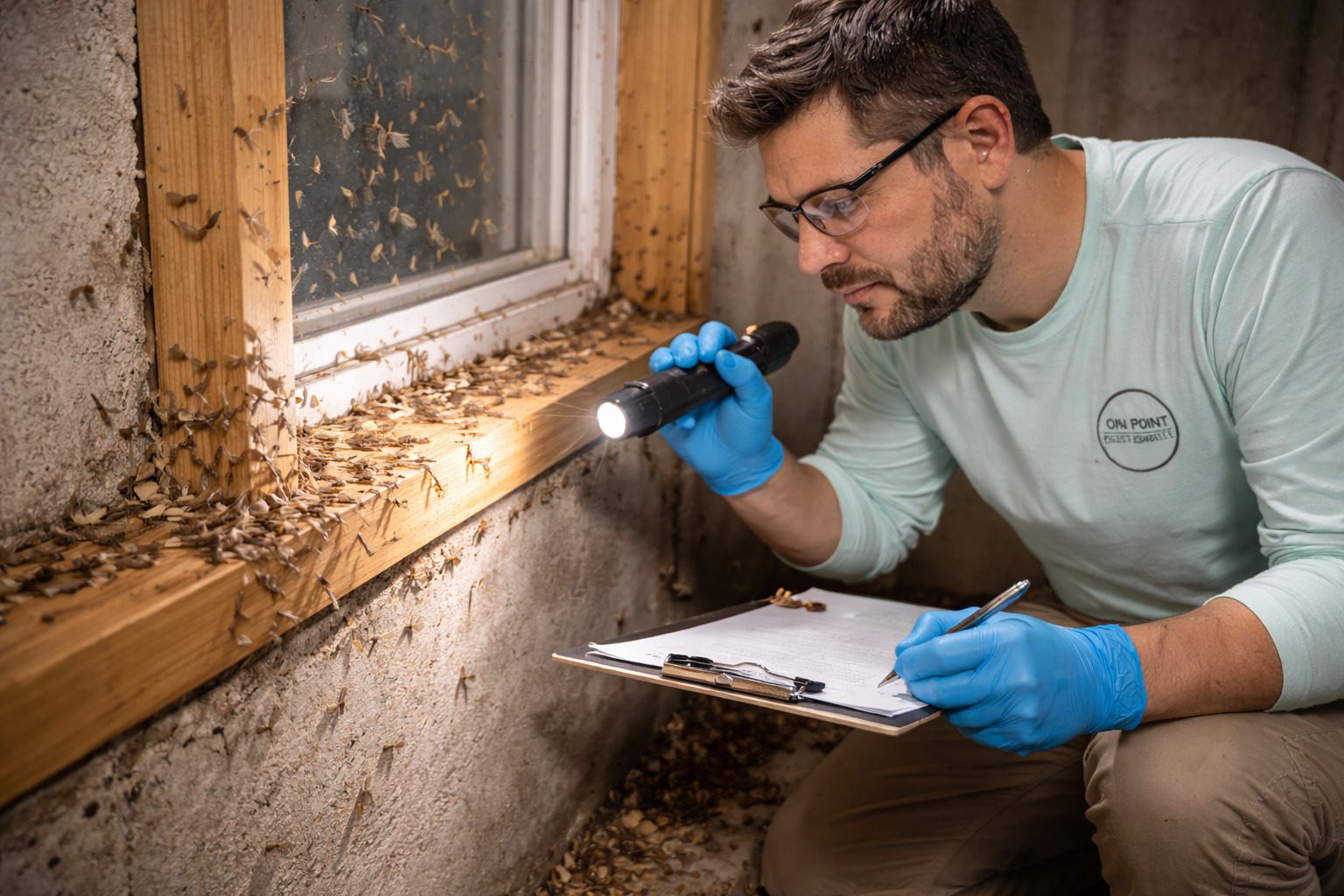
Houston Termite Key Points
- Houston termite activity can happen year round, but swarms are most noticeable in spring and early summer.
- Common warning signs include termite swarmers, discarded wings, mud tubes, damaged wood, and bubbling paint.
- Formosan termites are a serious concern in the Houston area and are known for aggressive colony activity.
- Termites are often mistaken for flying ants, which can delay the right treatment.
- Early inspection matters because termite damage often spreads long before homeowners notice it.
- On Point offers free termite inspections and clear next step recommendations.
In Houston, termite problems usually become obvious when homeowners suddenly see termite swarmers near windows, notice mud tubes on the foundation, or find wood damage that did not seem to be there before. By that point, the colony may have already been active for a long time behind walls, below the slab, or inside structural wood.
A proper termite inspection should look at the full picture, including where activity is showing up, what signs point to hidden damage, and what treatment options make sense for the property. If you have seen wings, mud tubes, or suspicious wood damage, this is the time to schedule an inspection.
We provide termite inspections and termite treatment recommendations across Houston, Spring, Cypress, Katy, Tomball, Conroe, Pearland, Richmond, Fulshear, Rosharon, The Woodlands, Humble, Porter, New Caney, Atascocita, Memorial, Bellaire, River Oaks, and nearby areas. Call (281) 323-2863 for a free termite inspection.
What Houston Termite Season Looks Like
For many homeowners, the first visible sign of a termite problem is a swarm. These are the winged termites people often see near windows, doors, lights, and foundation areas during warm, humid conditions. Swarms are easy to dismiss as random flying bugs, but they are one of the strongest signs that a termite colony is nearby or already affecting the structure.
In Houston, spring is when swarm activity gets the most attention, and late spring into early summer can be especially important for Formosan termite activity. That does not mean termites are only a seasonal problem. They can stay active year round in Southeast Texas conditions, which is why visible termite signs should never be ignored.
The Most Common Signs of Termites in a Houston Home
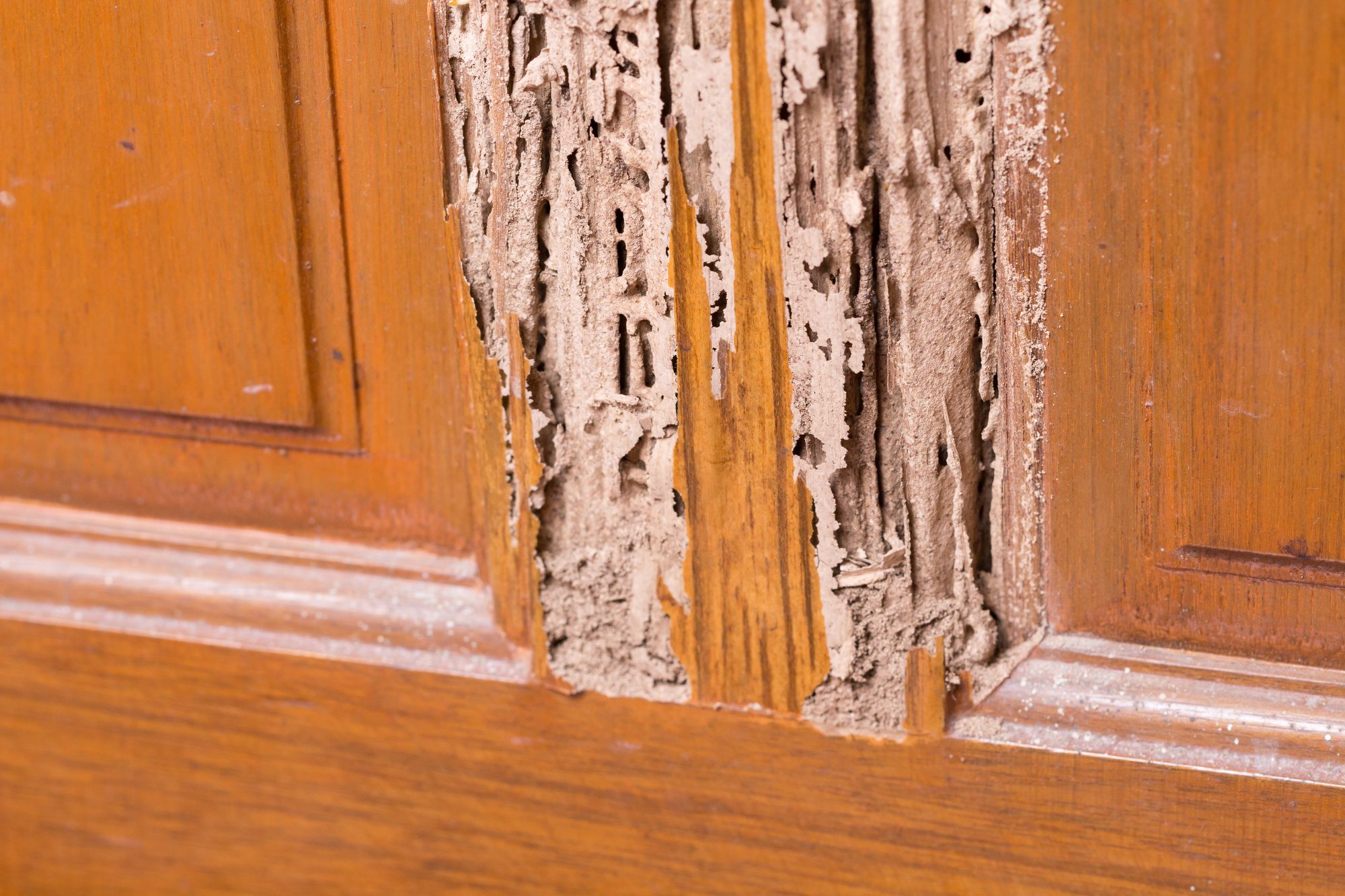
Termites do most of their damage out of sight, so the signs homeowners notice first are usually indirect. The most common warning signs include piles of discarded wings near windows or doors, pencil width mud tubes along the foundation, wood that sounds hollow when tapped, paint that looks bubbled or uneven, and doors or windows that suddenly feel tight.
Some homes also show damage around trim, baseboards, garages, attic framing, or wood near moisture prone areas. These signs do not always mean the infestation is small. In many cases, visible evidence only starts showing after termites have already been feeding for a while.
Mud Tubes, Wings, and Wood Damage: What These Signs Usually Mean
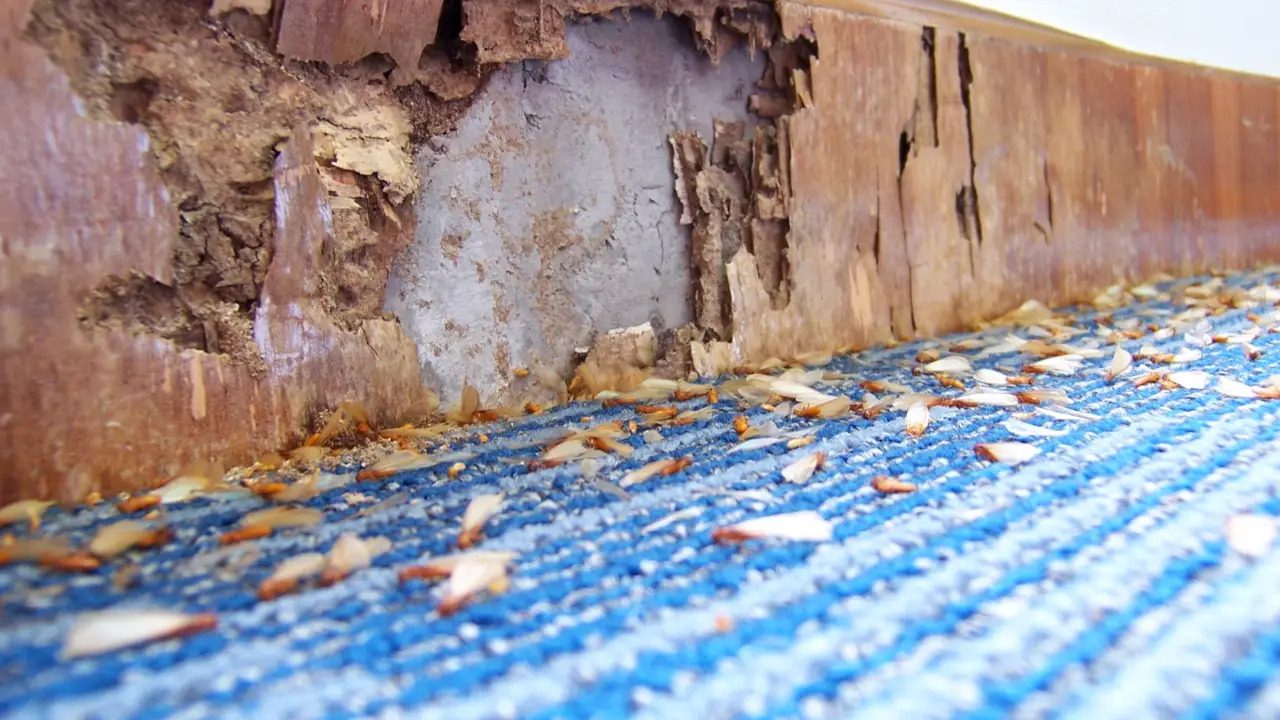
Mud tubes are one of the clearest signs of subterranean termite activity. These narrow tunnels help termites move between the soil and the structure while staying protected from light and dry air. When mud tubes show up on a slab edge, foundation wall, pier, or other structural area, that is a major reason to schedule an inspection right away.
Discarded wings are another important clue. Termite swarmers shed their wings quickly, so homeowners often find the evidence after the swarm is already over. If you are finding wings inside the home, especially near windows, doors, or baseboards, it can point to active termite pressure that needs professional evaluation.
Termites vs Flying Ants in Houston
One reason homeowners wait too long is because termites are often mistaken for flying ants. The difference matters. Termites have straight antennae, a wider waist, and two sets of wings that are the same length. Flying ants have bent antennae, a narrow pinched waist, and front wings that are longer than the rear wings.
If the insects were around only briefly, the wings may be the easiest clue left behind. If you are not sure what you saw, it is still worth getting the home checked. Waiting for more obvious damage is rarely the best move when termites are involved.
Why Formosan Termites Are Such a Serious Issue in Houston
Houston homeowners also need to know about Formosan termites. These termites are known for aggressive colony activity and large swarms, and they are an important termite concern in the Gulf Coast region. In practical terms, that means visible termite signs in Houston should never be brushed off as minor.
That does not mean every termite problem is Formosan, but it does mean correct identification and a real inspection matter. The severity of the problem and the treatment approach can vary depending on the termite activity and where the infestation is established.
Does Homeowners Insurance Cover Termite Damage?
In most cases, standard homeowners insurance does not cover termite damage. That is one of the biggest reasons early inspection is so important. The longer termites stay active, the more likely homeowners are dealing with structural repairs, wood replacement, and added costs that insurance may not help with.
A free termite inspection gives you a much better sense of whether you are dealing with a visible warning sign only or a larger problem that has already spread further into the structure.
Our Houston Termite Inspection and Protection Process
We use a practical step by step process designed to identify termite signs, explain the problem clearly, and recommend the right next step for the property.
Free Professional Termite Inspection
Every service starts with a thorough termite inspection. We check for termite activity, mud tubes, swarms, damaged wood, moisture and structural vulnerabilities that attract termites.
Targeted Termite Extermination
Termite treatment recommendations are based on the structure, the severity of activity, and the best solution for long term termite control and structure protection.
Long Term Termite Protection
We help reduce the risk of future termite activity with treatment monitoring, bait stations, and preventive termite protection.
Warranty Guarantee
We stand by our work with warranty coverage on pest control and termite treatment and extermination.
Service Areas for Houston Termite Inspection and Treatment
On Point provides termite inspections, termite extermination, and long term termite protection across the Houston area and surrounding communities. That includes homes and businesses in Houston, Spring, Cypress, Katy, Tomball, Conroe, Pearland, Richmond, Fulshear, Rosharon, The Woodlands, Humble, Porter, New Caney, Atascocita, Memorial, Bellaire, and River Oaks.
Why Homeowners Call On Point for Termite Concerns
Homeowners call us because they want a local company that understands what termite warning signs look like in Houston homes and takes the time to explain the problem clearly. We focus on inspection, practical next steps, and helping property owners act before a hidden termite issue turns into a much larger repair problem.
If you are seeing termite swarmers, wings, mud tubes, damaged trim, or any other sign that termites may be active, now is the right time to get the home checked.
Houston Termite FAQs
When is termite season in Houston?
What are the most common signs of termites in a Houston home?
How can I tell the difference between termites and flying ants?
Do mud tubes always mean active termites?
Does homeowners insurance cover termite damage?
Do you offer free termite inspections in Houston?
Need a Houston Termite Inspection?
If you are seeing termite swarmers, mud tubes, discarded wings, or wood damage, call On Point Pest and Environmental Services for a free termite inspection and a clear next step.
Call Now: (281) 323-2863

Joe McDaniel
Owner, On Point Pest and Environmental Services
Joe McDaniel brings 35 years of field experience to pest control and termite issues in the Houston area. He is ACE Certified and writes from hands on experience helping local homeowners deal with structural pest problems.